11/11/2026
Receding Gums: Causes, Can They Grow Back and Treatment Options
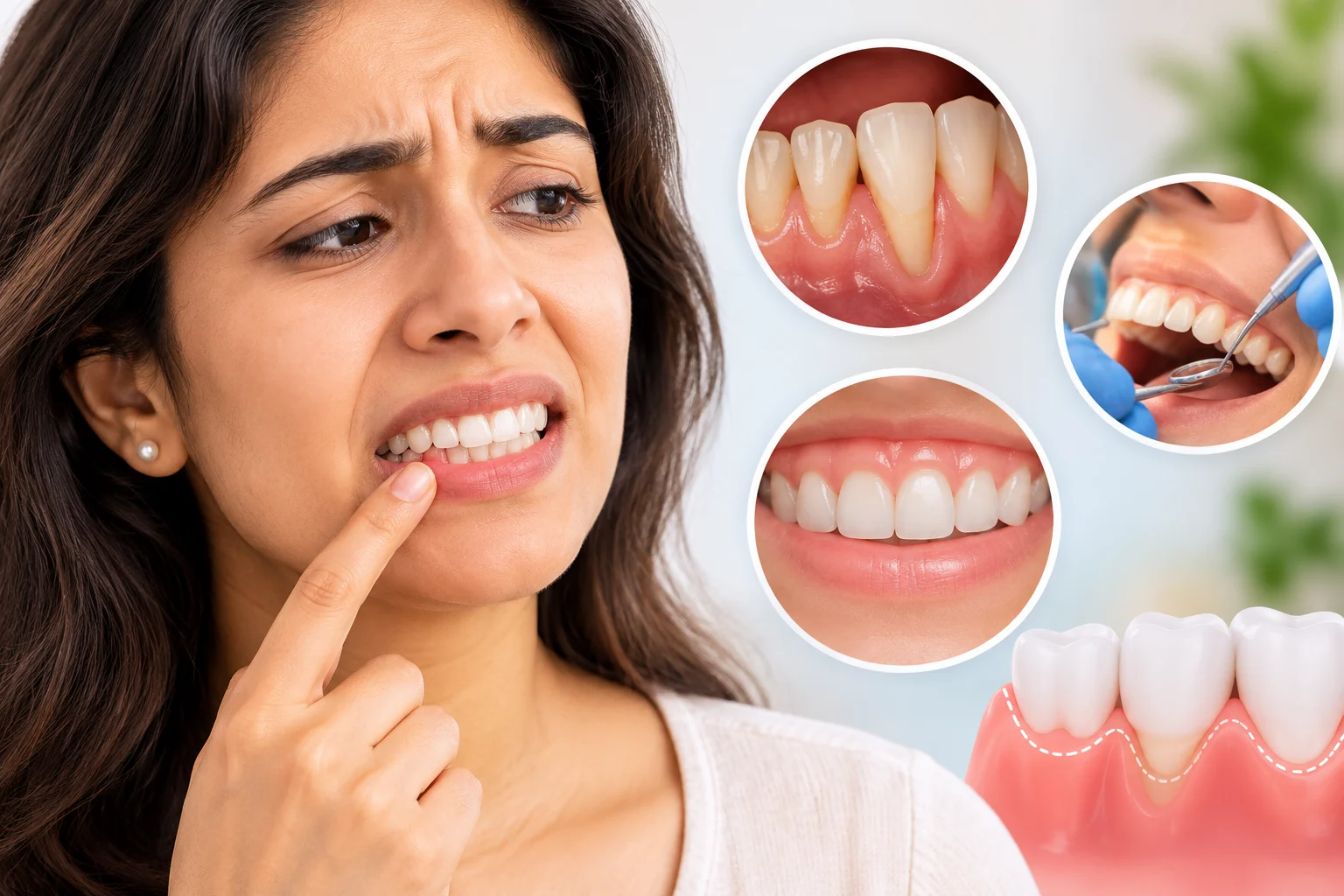
Have you noticed that your teeth look longer than before, or that your teeth have become more sensitive when you drink something hot or cold? These changes may be signs of receding gums.
Gum recession occurs when the gum tissue surrounding a tooth moves away from its usual position, exposing more of the tooth or its root. It can develop gradually and may go unnoticed until sensitivity, visible changes or other dental concerns appear.
At Oatlands Dental Lounge, we provide personalised periodontal care to help patients understand changes in their gum health. If you are concerned about receding gums in Weybridge, a dental assessment can help identify the cause and determine which treatment options may be appropriate.
Understanding why gums recede, whether they can grow back and how to manage the condition can help you protect your teeth and maintain your oral health.
What Are Receding Gums?
Receding gums occur when the gum tissue gradually moves away from the tooth surface, exposing part of the root that would normally be covered by gum tissue.
Unlike the crown of a tooth, its root is not protected by enamel. The exposed root surface can therefore be more vulnerable to sensitivity, decay and wear.
Gum recession may affect one tooth or several teeth. It can develop slowly, and the amount of recession may vary depending on the underlying cause.
Although gum recession is not always a sign of gum disease, it should be assessed to determine whether inflammation, periodontal damage or another factor is contributing to the change.
What Causes Receding Gums?
There are several possible causes of gum recession. In some cases, more than one factor contributes to the condition.
1. Gum Disease
Periodontal disease is an important cause of gum recession. It develops when plaque bacteria trigger inflammation in the gums and, in more advanced cases, damage the tissues and bone supporting the teeth. As the supporting structures are affected, the gums may recede and the teeth can become loose.
Early gum disease may cause redness, swelling or bleeding during brushing. However, more advanced periodontal disease can sometimes progress with few noticeable symptoms. You can read more about the early signs of gum disease and how specialist treatment can help.
If gum disease is suspected, a periodontal assessment can help establish its severity and identify appropriate treatment.
2. Brushing Too Hard
Brushing your teeth is essential for maintaining good oral health, but using excessive force or a hard-bristled toothbrush may contribute to gum tissue damage over time. Aggressive brushing can also cause wear around the exposed tooth surface.
To help protect your gums, use a soft-bristled toothbrush and gentle movements. Your dentist or hygienist can demonstrate an appropriate brushing technique based on your individual needs.
3. Genetic Factors and Naturally Thin Gum Tissue
Some people naturally have thinner gum tissue or a gum shape that makes certain areas more susceptible to recession. Genetic factors can influence gum thickness, tooth position and the way the supporting tissues respond to everyday forces.
Even with good oral hygiene, some individuals may develop recession because of these underlying characteristics. Regular dental examinations can help identify changes and establish whether monitoring or treatment is appropriate.
4. Teeth Grinding and Clenching
Repeated teeth grinding or clenching places additional forces on the teeth and surrounding structures. Although grinding is not the only cause of gum recession, it may contribute to other dental problems and should be considered during an assessment, particularly when tooth wear or jaw discomfort is also present.
If you regularly wake up with a sore jaw or notice flattened teeth, discuss these symptoms with your dentist.
5. Misaligned Teeth
Teeth that sit outside their usual alignment may have thinner or less substantial supporting gum tissue in certain areas. This can make the affected sites more susceptible to recession, particularly when combined with other contributing factors.
An assessment can help determine whether tooth position is relevant to your gum health and whether orthodontic advice may be appropriate.
6. Tobacco Use
Smoking and other tobacco use can negatively affect gum health and increase the risk of periodontal disease. Tobacco can also affect the way gum tissues respond to inflammation, meaning that some signs of gum disease may be less noticeable.
Avoiding tobacco and maintaining good oral hygiene can support better periodontal health.
What Are the Signs of Receding Gums?
Gum recession does not always cause pain, so it is important to recognise changes in the appearance of your teeth and gums. Possible signs include:
- Teeth appearing longer than they used to.
- Yellowish tooth roots becoming visible near the gum line.
- Increased sensitivity to hot, cold, sweet or acidic foods.
- Notches or changes in the tooth surface near the gums.
- Gaps developing between the teeth and gum tissue.
- Food becoming trapped more easily around affected teeth.
- Bleeding, swelling or redness if gum inflammation is also present.
These symptoms can have several causes, so they should not be used to diagnose gum recession on their own. If you notice changes in your gum line or persistent tooth sensitivity, arrange a dental assessment to identify the underlying problem.
Can Receding Gums Grow Back Naturally?
No, receded gum tissue does not usually grow back naturally once it has been lost. Improving your oral hygiene and treating the underlying cause can help prevent further recession, but these measures do not automatically restore the original gum position.
However, treatment may be available to cover exposed roots or improve the appearance and protection of the affected areas. Depending on the severity and cause of the recession, options may include:
- Improving brushing technique and daily oral hygiene.
- Treating gum disease where present.
- Monitoring stable areas of recession.
- Using suitable products to manage tooth sensitivity.
- Considering gum grafting or other periodontal surgical procedures in selected cases.
The appropriate treatment depends on the amount of recession, the condition of the surrounding tissues and your individual oral health needs.
What Are the Treatment Options for Receding Gums?
Treatment focuses on controlling the underlying cause, protecting exposed tooth roots and addressing any functional or cosmetic concerns.
1. Professional Cleaning and Gum Disease Treatment
If gum recession is associated with periodontal disease, controlling the infection and inflammation is an important first step. Your dentist or periodontist may recommend professional cleaning to remove plaque and hardened deposits from the teeth. Where periodontal pockets are present, deeper cleaning beneath the gum line may be necessary.
Treatment may also include personalised advice on brushing, interdental cleaning and maintaining gum health at home. At Oatlands Dental Lounge, our periodontics services include assessment and management of gum conditions, with treatment planning based on individual findings. You can also find out about our gum disease treatment.
Although periodontal treatment can help stabilise gum health, it does not necessarily restore gum tissue that has already been lost.
2. Changes to Your Oral Hygiene Routine
If aggressive brushing is contributing to recession, your dentist or hygienist may recommend changes to your technique. Helpful measures include:
- Using a soft-bristled toothbrush.
- Brushing gently rather than scrubbing forcefully.
- Cleaning between your teeth daily.
- Using fluoride toothpaste to help protect exposed tooth surfaces.
- Attending regular dental and hygiene appointments.
These measures can help reduce further irritation and protect the remaining tooth structure.
3. Desensitising Products
Exposed roots can cause discomfort when they come into contact with cold drinks, hot foods or other triggers. Your dentist may recommend a desensitising toothpaste or other suitable treatment to help reduce sensitivity.
If sensitivity persists, an examination can help determine whether another problem, such as tooth decay or a crack, is contributing to the symptoms.
4. Gum Grafting
Gum grafting is a periodontal procedure that may be considered when recession exposes tooth roots and creates concerns about sensitivity, tissue protection or appearance. Depending on the clinical situation, tissue may be taken from the roof of the mouth or obtained from another suitable source and placed around the affected area.
Potential benefits may include:
- Covering some of the exposed root surface.
- Increasing the thickness of the gum tissue in selected cases.
- Helping protect vulnerable root surfaces.
- Improving the appearance of the gum line.
The amount of root coverage achievable varies. Complete coverage is not guaranteed, and the suitability of grafting depends on factors such as the location and severity of recession, the condition of the supporting tissues and the position of the tooth. A specialist periodontal assessment can help establish whether this procedure may be appropriate.
5. Other Periodontal Procedures
In selected cases, other surgical approaches may be considered to reposition or augment gum tissue. The choice of procedure depends on the patient’s anatomy, the amount of existing tissue, the underlying cause and the treatment goals.
At Oatlands Dental Lounge, patients can discuss specialist periodontal options for managing gum recession, including gum grafting where it is appropriate.
Can Receding Gums Cause Tooth Loss?
Gum recession does not automatically mean that you will lose your teeth.
However, recession associated with advanced periodontal disease can occur alongside damage to the bone and other tissues that support the teeth. If this damage progresses without appropriate treatment, the teeth may eventually become loose. Exposed roots may also be more susceptible to root decay and wear, which can compromise the affected teeth.
Early assessment helps determine whether recession is stable or whether an underlying condition requires treatment. Maintaining good oral hygiene, managing contributing factors and attending regular dental appointments can help protect your remaining tooth structure and supporting tissues.
How Can You Prevent Gum Recession From Getting Worse?
Not every cause of gum recession can be prevented, particularly when natural gum anatomy or tooth position plays a role. However, several habits can help reduce avoidable risks.
Brush Gently Twice a Day
Use a soft-bristled toothbrush and fluoride toothpaste. Avoid excessive pressure, and ask your hygienist to demonstrate a suitable technique if you are unsure how to brush effectively.
Clean Between Your Teeth
Daily interdental cleaning helps remove plaque from areas that a toothbrush cannot reach easily. Choose floss or interdental brushes suited to the spaces between your teeth.
Treat Gum Disease Promptly
Bleeding gums, persistent swelling and other changes should not be ignored. Early assessment can help identify periodontal disease before more extensive damage develops.
Avoid Tobacco
Smoking increases the risk of gum disease and can interfere with the health of the supporting tissues. Seeking support to stop smoking can benefit both oral and general health.
Attend Regular Dental Check-Ups
Routine examinations help your dental team monitor changes in your gum line, identify contributing factors and recommend treatment where necessary. The frequency of appointments depends on your individual risk and oral health needs.
When Should You See a Dentist About Receding Gums?
You should arrange an assessment if you notice that your teeth appear longer, your roots are becoming visible or your teeth have developed new sensitivity. It is particularly important to seek advice if you experience:
- Bleeding or swollen gums.
- Persistent bad breath.
- Increasing gaps between your teeth and gums.
- Loose teeth or changes in the way your teeth meet.
- Pain or sensitivity that does not improve.
Loose teeth, significant swelling or signs of infection require prompt professional assessment.
A dentist can examine your gums, measure the spaces around your teeth and assess whether bone loss or another condition is present. X-rays may be recommended when needed. Identifying the cause is essential because the most suitable treatment for gum recession caused by brushing trauma may differ from the treatment required for periodontal disease.
How Can Oatlands Dental Lounge Help?
Receding gums can affect tooth sensitivity, gum health and the appearance of your smile. Understanding the cause is the first step towards choosing the right approach.
At Oatlands Dental Lounge, we provide individualised periodontal care to assess gum recession, identify contributing factors and discuss suitable treatment options. Our periodontal assessments may include measuring gum levels, checking for signs of inflammation or infection, evaluating the supporting tissues and reviewing your home oral hygiene routine.
Where appropriate, treatment may involve professional cleaning, periodontal disease management or referral for specialist procedures to address recession.
Our practice welcomes patients from Weybridge, Walton-on-Thames, Esher, Hersham, Cobham, Oxshott and surrounding areas.
If you have noticed changes in your gum line or are concerned about exposed tooth roots, contact Oatlands Dental Lounge to arrange an assessment and discuss your options.
Frequently Asked Questions About Receding Gums
Can receding gums grow back without treatment?
Gum tissue that has been lost generally does not grow back naturally. However, treating the underlying cause can help prevent further recession, and selected cases may benefit from periodontal procedures to cover exposed roots.
What is the most common cause of receding gums?
Gum recession can have several causes, including periodontal disease, aggressive brushing, naturally thin gum tissue and tooth position. A dental assessment can help identify the factors affecting your gums.
Is gum grafting the only treatment for receding gums?
No. Treatment may include improving oral hygiene, managing gum disease, addressing contributing factors and monitoring stable recession. Gum grafting or other periodontal procedures may be considered when clinically appropriate.
Are receding gums a sign of gum disease?
They can be, but not always. Recession may also result from brushing trauma, natural gum anatomy or tooth position. An examination is needed to establish the cause.
Can receding gums cause sensitive teeth?
Yes. Recession can expose the tooth root, which does not have the same enamel protection as the crown. This may cause sensitivity to temperature changes, sweet foods or brushing.
Can a dentist stop receding gums from getting worse?
In many cases, treatment can help control contributing factors and reduce the risk of further recession. The outcome depends on the cause, the condition of the supporting tissues and how consistently the recommended care is followed.
Back to Blog