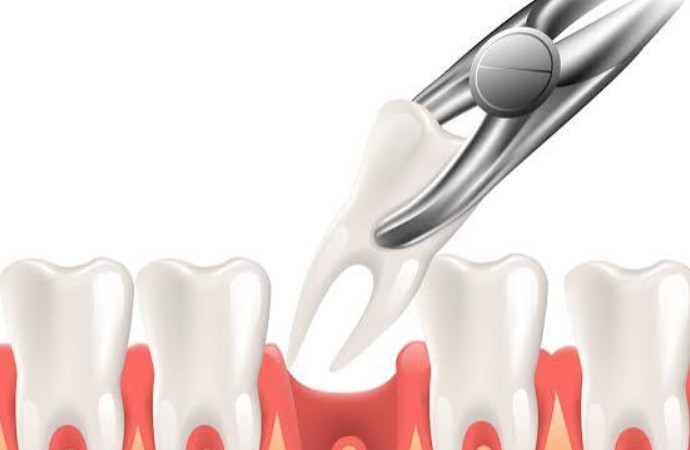
Having a tooth extracted can feel daunting, particularly if you are unsure about what happens once the procedure is over. While most extractions are straightforward, knowing what to expect during the recovery period can help you care for the area properly and recognise when you may need further dental advice.
After a tooth is removed, your body immediately begins the healing process. A blood clot forms in the extraction socket, followed by gradual healing of the surrounding gum and bone. Following your dentist’s aftercare instructions carefully can help support this process and reduce the risk of complications.
At Oatlands Dental Lounge, we provide comprehensive dental services with a focus on patient comfort and long-term oral health. If you have recently had a tooth removed or are preparing for an extraction, this guide explains what you can expect during recovery and how to look after your mouth while the area heals.
Once your tooth has been removed, your dentist will usually place gauze over the extraction site and ask you to bite down gently but firmly for a period of time.
This pressure helps control bleeding and encourages a blood clot to form inside the socket.
The blood clot is an important part of the healing process because it protects the underlying bone and tissues while new tissue gradually develops.
Some mild bleeding or oozing during the first few hours is normal. However, heavy or persistent bleeding should not be ignored.
Your dentist will provide specific instructions based on your individual procedure and overall oral health.
Some discomfort is expected after an extraction, particularly once the local anaesthetic begins to wear off.
You may experience:
Discomfort is often most noticeable during the first couple of days before gradually improving.
Your dentist may recommend suitable pain relief depending on your medical history and the type of extraction you have undergone. Always follow the dosage instructions provided by your dentist or the medicine packaging.
If pain becomes significantly worse rather than gradually improving, contact your dental practice for advice.
Recovery varies depending on the tooth removed, the complexity of the extraction and your general health.
For a straightforward extraction, many people begin to feel more comfortable within a few days. The gum may continue healing over the following weeks, while the underlying bone can take considerably longer to remodel.
A surgical tooth extraction or removal of a wisdom tooth may involve a longer recovery period.
It is important not to compare your recovery too closely with someone else’s. Your dentist can give you a more personalised indication of what to expect based on your procedure.
The first day after an extraction is particularly important because the blood clot needs time to become established.
Do not vigorously rinse your mouth immediately after the extraction unless your dentist specifically advises you to do so.
Aggressive rinsing can disturb the developing blood clot and potentially delay healing.
Smoking can interfere with the healing process and may increase the risk of complications.
Your dentist will advise you on how long you should avoid smoking following your extraction.
It is generally advisable to avoid alcohol while the extraction site is beginning to heal, particularly if you have been prescribed medication.
Choose softer foods that require minimal chewing during the early stages of recovery.
Suitable options may include:
Try to chew away from the extraction site where possible.
Avoid strenuous exercise and heavy physical activity immediately after an extraction, particularly during the first day.
Resting gives your body an opportunity to begin the healing process.
You should continue maintaining good oral hygiene, but take care around the extraction site.
Brush your other teeth as normal, being careful not to disturb the socket. Your dentist may recommend a particular mouthwash or saltwater rinse once enough time has passed following the procedure.
Do not aggressively brush directly over the extraction wound while it is healing.
Maintaining good oral hygiene is important because plaque and bacteria can contribute to infection around the extraction area.
Regular dental examinations and hygiene appointments can also help maintain your overall oral health after recovery.
Dry socket, also known as alveolar osteitis, is a painful complication that can occur when the blood clot is lost or fails to develop properly after an extraction.
Without the protective clot, the underlying bone and tissues may become exposed.
Symptoms can include:
Dry socket is more common after certain types of extraction, including some wisdom tooth removals.
If you develop severe or worsening pain several days after an extraction, contact your dentist rather than trying to manage the problem yourself.
Some swelling is normal, particularly following a more complicated or surgical extraction.
Swelling may increase during the first couple of days before gradually settling.
Applying a cold compress to the outside of your face for short periods may help reduce swelling during the early stages. Always follow your dentist’s specific advice.
If swelling continues to increase significantly, becomes severe or is accompanied by symptoms such as difficulty swallowing or breathing, seek urgent dental or medical assistance.
Protecting the extraction site can help support normal healing.
During the initial recovery period, avoid:
Your dentist may provide additional instructions depending on the complexity of your extraction.
A small amount of blood-stained saliva or minor oozing can be normal following an extraction.
If bleeding continues, your dentist may advise you to place clean gauze over the area and apply firm pressure by biting down for the recommended period.
If heavy bleeding does not settle despite following your dentist’s instructions, contact your dental practice or seek urgent dental care.
Do not repeatedly remove the gauze to check the socket, as this can interfere with clot formation.
Most people recover without significant problems, but certain symptoms should be assessed by a dental professional.
Contact your dentist if you experience:
Prompt assessment can help identify complications and ensure appropriate treatment.
Tooth extraction is generally considered when a tooth cannot be predictably restored or when keeping it would compromise your oral health.
Reasons may include:
Whenever possible, dentists generally aim to preserve natural teeth. Depending on the condition of the tooth, treatments such as a filling, crown or private root canal treatment may sometimes avoid the need for extraction.
Once the extraction site has healed, your dentist can discuss whether the missing tooth should be replaced.
Leaving a missing tooth can sometimes affect chewing, appearance and the position of neighbouring teeth, depending on which tooth has been removed.
Replacement options may include:
For suitable patients, dental implants can provide a fixed replacement that closely replicates the function and appearance of a natural tooth.
The most appropriate option depends on factors such as your oral health, bone levels, the location of the missing tooth and your individual preferences.
In some cases, implant treatment can be planned after an extraction. The timing depends on the condition of the extraction site, whether there was infection, the amount of available bone and your individual healing process.
Some patients may be suitable for implant placement relatively soon after extraction, while others may need a period of healing first.
Your dentist will assess the area and explain the most appropriate treatment sequence.
Although you cannot make the body’s natural healing process happen instantly, you can support recovery by following your dentist’s instructions carefully.
Good habits include:
Good general health and careful aftercare can help your mouth recover normally.
At Oatlands Dental Lounge, we understand that having a tooth removed can be an anxious experience. Our team takes the time to explain the procedure, answer your questions and provide clear aftercare instructions.
Before recommending an extraction, we assess whether the tooth can be safely restored and consider alternatives where appropriate. Our aim is always to protect your long-term oral health while providing comfortable, carefully planned dental care.
If a tooth cannot be saved, we can also discuss suitable replacement options once the extraction site has healed, including restorative treatments such as dental implants.
If you are experiencing pain, swelling or significant damage to a tooth, arrange an assessment so we can determine the most appropriate treatment for your individual needs.
Q: How long does it take to recover from a tooth extraction?
A: Many people feel significantly more comfortable within a few days following a straightforward extraction, although complete gum and bone healing takes longer. Surgical extractions may require additional recovery time.
Q: Can I brush my teeth after having a tooth extracted?
A: Yes, but brush carefully around the extraction area and avoid disturbing the socket. Follow any specific cleaning instructions provided by your dentist.
Q: How long should I avoid smoking after a tooth extraction?
A: Your dentist will advise you how long to avoid smoking. Avoiding smoking during the initial healing period is important because it can interfere with healing and increase the risk of complications such as dry socket.
Q: What can I eat after a tooth extraction?
A: Soft foods such as yoghurt, mashed potato, scrambled eggs, porridge and soft pasta are generally easier to eat during the early recovery period. Avoid very hot, hard or crunchy foods initially.
Q: How do I know if my extraction is infected?
A: Increasing pain, significant swelling, fever, pus, persistent bad taste or worsening symptoms can indicate a possible infection. Contact your dentist promptly if you develop these symptoms.
Q: What is dry socket?
A: Dry socket occurs when the protective blood clot in the extraction socket is lost or does not form properly. It can cause significant pain and requires assessment and treatment by a dental professional.
Q: Can I replace my tooth after an extraction?
A: Yes. Depending on your circumstances, options may include a dental implant, bridge or denture. Your dentist can advise you once the extraction site has healed and your oral health has been assessed.
"The experience I had at Oatlands Dental Lounge was exceptional and made me feel comfortable and supported at all times. Nothing is too…
"Staffs are super friendly and dentists are professional and so helpful. Highly recommended to anyone who cares about the health of their teeth."
"I feel I must tell you Neil and your team how thankful I am for your understanding, caring and professionalism whilst I was…
"Oatlands Dental Lounge has very good equipment and the team has very good technic skills. I have been with the clinic for about…
"Neil took over have seen many changes. With the facilities now available at the practice, it seems that most procedures can be carried…
"I attended Oatlands Dental Lounge for the first time on an emergency appointment. I must say I was extremely impressed with the high…
"A standard of excellence! You will not find more exceptionally skilled dentists and hygienists in the UK. I highly recommend Dr George and…
"I had serious gum and tooth condition which my previous dentist couldn't handle, so I searched for a new option and I found…
"I’ve been coming to the Oatlands Dental Lounge for years. Neil and the team have always been friendly and provided good customer care.…
"I have been a customer of Oatlands Dental Lounge for over thirty years. They have always offered friendly and highly professional service, and…
"Eight years ago Neil and Poonam took over the dental lounge. My wife and I were patients before they took over and we…
"I’ve been with Neil for 8 years or so now and I am still undergoing various treatments as required. Throughout that time I…
"My husband and I have both continued to use this practice since Neil and Poonam set up their team at Oatlands Dental Lounge.…