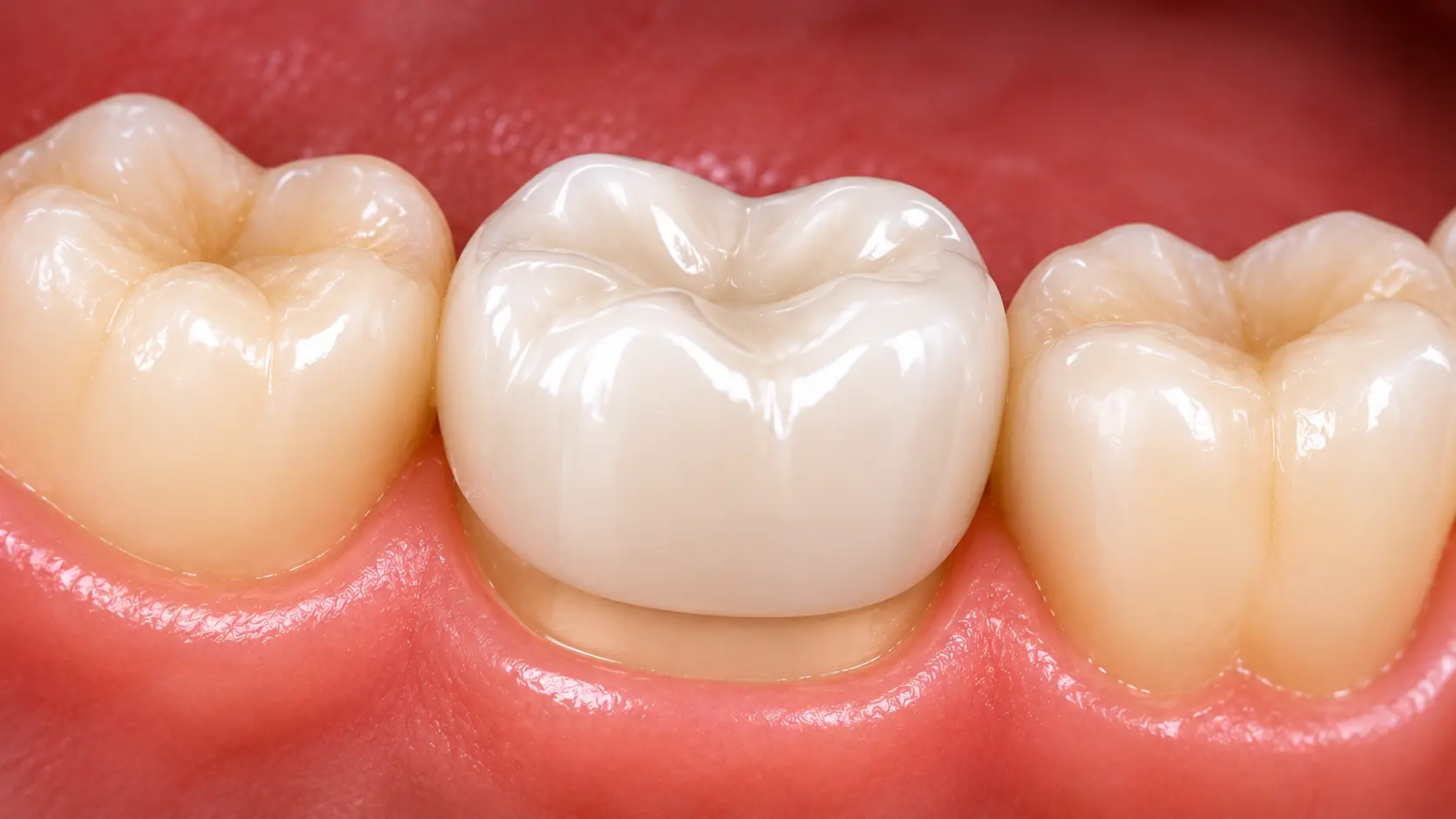
A dental crown can restore a tooth that has been weakened by decay, cracks, large fillings or other damage. Once your crown is fitted, looking after it properly helps protect the crowned tooth and the gums around it.
A crown covers and protects the visible part of a tooth, but it does not make the tooth immune to problems. Plaque can still build up around the crown, and the tooth underneath can still be affected by decay or gum disease if oral hygiene slips.
At Oatlands Dental Lounge, we provide personalised restorative care designed around your oral health. Whether you have just had a crown fitted or are considering treatment for a damaged tooth, our comprehensive dental services can help you look after your smile.
If you have recently had a crown fitted, these simple dos and don’ts will help you protect it.
A dental crown is a custom-made restoration that fits over a prepared tooth to restore its shape, strength and function. Crowns may be recommended for teeth with:
The crown fits over the remaining tooth structure and brings the tooth as close as possible to its natural function. The tooth underneath and the surrounding gum still need regular care. For more on how crowns work, see our post on how dental crowns protect damaged teeth.
It is normal for the tooth to feel slightly different at first. You may notice:
These usually settle as your mouth gets used to the crown. If your bite feels uneven, or the discomfort lasts or gets worse, contact us so the crown can be checked.
After your crown is fitted, your dentist will give you advice based on your treatment, such as how to eat, brush and floss, and what to do if you have sensitivity. These instructions matter because your dentist knows the condition of your tooth and the restoration placed. If you have any concerns after treatment, contact the practice rather than adjusting your routine on assumptions.
Having a crown does not mean you can stop brushing that tooth. Brush twice a day with fluoride toothpaste, paying particular attention to where the crown meets the gum. Plaque can build up at this edge, and poor hygiene can lead to gum inflammation and decay in the tooth underneath.
Use a soft-bristled toothbrush and avoid pressing too hard. If you would like advice, our post on the best toothpaste and toothbrush to use is a good place to start.
Cleaning between your teeth is just as important after a crown as before. Food and plaque can collect around the crowned tooth, particularly near the gumline. Depending on the location and design of your crown, you may be able to use:
If you are unsure how to clean around your crown, ask us to show you the right technique.
A crown should be monitored as part of your routine care. At check-ups, your dentist can look at:
Regular appointments help us spot problems before they become more complicated. Visits to our dental hygienist may also be recommended, and our post on how often you need to see a hygienist explains what to expect.
Your dentist may suggest being careful with what you eat straight after your crown is fitted. With a temporary crown, avoid particularly sticky or hard foods that could dislodge it.
Once your permanent crown is fitted and your dentist confirms you can eat normally, you can usually return to your usual diet. Even then, limiting very hard or sticky foods helps reduce the risk of damaging dental restorations.
Teeth are designed for eating food, not for chewing non-food objects. Avoid:
These habits put unnecessary stress on natural teeth and restorations. Crowns are designed to withstand normal chewing forces, but they can still be damaged under excessive pressure.
Mild sensitivity after crown treatment can be normal, but persistent or increasing pain should not be ignored. Contact us if you notice:
These symptoms do not necessarily mean the crown has failed. They simply mean the tooth or restoration should be checked. If you have severe pain or swelling, our emergency dentist service can help.
It is a common misconception that a crowned tooth can no longer develop problems. The crown covers the visible part of the tooth, but the natural tooth beneath it can still decay if plaque builds up around the crown margins. That is why brushing and cleaning between your teeth remain essential.
Your gums need to stay healthy too, because inflammation around the crown can affect the supporting tissues. If your gums bleed or look swollen, it is worth reading about the early signs of gum disease.
Flossing around a crown is important, but technique matters. Avoid snapping floss into the gums. Guide it gently between the teeth and clean around the sides of the crowned tooth. If conventional floss is difficult to use, ask your dentist or hygienist whether an interdental brush or another method would suit you better.
In most cases, yes, once your dentist has confirmed that the permanent crown is securely fitted and any initial sensitivity has settled. It is still sensible to be careful with extremely hard or sticky foods.
If you have a temporary crown, follow your dentist’s specific advice, because temporary crowns are not designed to work in exactly the same way as permanent ones. If chewing is uncomfortable after your crown is fitted, we can check whether your bite or the crown needs adjusting.
Yes. Brush your crown as part of your normal routine with fluoride toothpaste and a soft-bristled toothbrush, taking care along the gumline. Keep cleaning between the crowned tooth and its neighbours too. The crown does not protect the surrounding tissues from plaque.
If your crown becomes loose, contact us rather than trying to fix it permanently yourself. A loose crown can expose the tooth underneath and cause discomfort or sensitivity. Avoid chewing on that side until you have been seen, particularly if the crown is moving a lot.
We can find out why the crown has loosened and whether it can be recemented or needs further treatment.
The lifespan of a crown varies considerably. Factors include:
No fixed timeframe applies to every crown. Looking after your teeth and attending regular check-ups lets us monitor the crown over time. Our post on how long dental crowns last goes into more detail.
Grinding and clenching put extra pressure on crowns. If you grind your teeth, particularly in your sleep, tell your dentist. Depending on your circumstances, we may recommend a protective appliance or other ways to manage the forces on your teeth. This matters most if you have several restorations or signs of significant wear. See also our post on TMJ disorders and other jaw pains.
Yes. The crown itself cannot decay in the way natural enamel can, but the natural tooth underneath and around it can. Brushing twice daily, cleaning between your teeth, limiting frequent sugary foods and drinks, and attending regular appointments all help reduce the risk. If an old filling has come out of a tooth, read what to do if your dental filling falls out. If a crowned tooth has previously needed a root canal, it still needs the same care.
Arrange an appointment if you notice:
Prompt attention helps us find the cause and decide whether the crown or the tooth underneath needs treatment.
A crown restores and protects a damaged tooth, and good aftercare keeps it doing that job.
At Oatlands Dental Lounge in Weybridge, we provide restorative care tailored to your needs, from assessing damaged teeth to planning the right treatment. If a tooth has been weakened by extensive decay or a large filling, a crown may be one of the options we discuss. We also provide regular examinations and preventive care to keep your teeth and gums healthy.
We welcome patients from Weybridge, Walton-on-Thames, Esher, Hersham, Cobham, Oxshott and surrounding areas.
If you have recently had a crown fitted or are concerned about a crowned tooth, contact us to arrange an appointment.
Q: Can I brush my teeth normally after getting a crown?
A: Yes. Continue brushing twice a day with fluoride toothpaste, taking care around the crown and gumline. Cleaning between your teeth is also important.
Q: How soon can I eat after getting a dental crown?
A: Your dentist will advise you based on the type of crown and cement used. With a temporary crown, avoid hard or sticky foods until your permanent crown is fitted.
Q: Can a tooth under a crown still get a cavity?
A: Yes. The natural tooth underneath and around the crown margins can still decay if plaque is not controlled.
Q: What should I do if my dental crown feels loose?
A: Contact us as soon as possible. Avoid chewing on that side and do not try to fix the crown permanently yourself.
Q: Can I floss around a dental crown?
A: Yes. Cleaning between the crowned tooth and its neighbours is important. Use floss gently to avoid irritating the gums.
Q: Can teeth grinding damage a dental crown?
A: Excessive grinding or clenching can put extra pressure on a crown and other teeth. If you grind your teeth, tell your dentist so we can look at ways to protect them.
Back to Blog"The experience I had at Oatlands Dental Lounge was exceptional and made me feel comfortable and supported at all times. Nothing is too…
"Staffs are super friendly and dentists are professional and so helpful. Highly recommended to anyone who cares about the health of their teeth."
"I feel I must tell you Neil and your team how thankful I am for your understanding, caring and professionalism whilst I was…
"Oatlands Dental Lounge has very good equipment and the team has very good technic skills. I have been with the clinic for about…
"Neil took over have seen many changes. With the facilities now available at the practice, it seems that most procedures can be carried…
"I attended Oatlands Dental Lounge for the first time on an emergency appointment. I must say I was extremely impressed with the high…
"A standard of excellence! You will not find more exceptionally skilled dentists and hygienists in the UK. I highly recommend Dr George and…
"I had serious gum and tooth condition which my previous dentist couldn't handle, so I searched for a new option and I found…
"I’ve been coming to the Oatlands Dental Lounge for years. Neil and the team have always been friendly and provided good customer care.…
"I have been a customer of Oatlands Dental Lounge for over thirty years. They have always offered friendly and highly professional service, and…
"Eight years ago Neil and Poonam took over the dental lounge. My wife and I were patients before they took over and we…
"I’ve been with Neil for 8 years or so now and I am still undergoing various treatments as required. Throughout that time I…
"My husband and I have both continued to use this practice since Neil and Poonam set up their team at Oatlands Dental Lounge.…